.webp) h5prism.com
h5prism.comThe House Always Knows: How Rainbow Six Siege Turns Every Room Into a Psychological Thriller
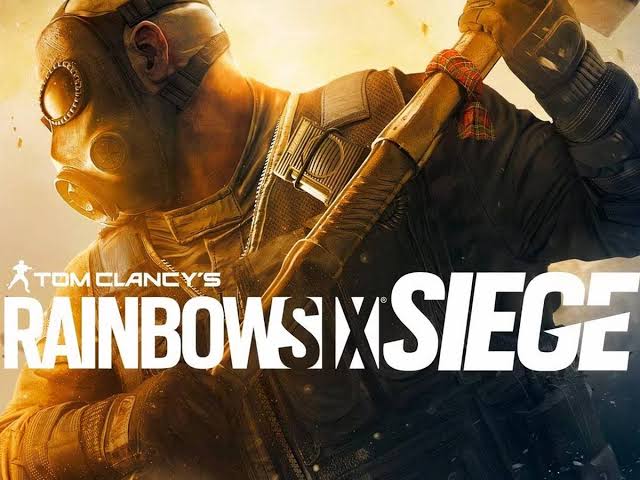
Some shooters make you feel powerful by giving you bigger weapons, faster movement, or an endless stream of enemies. Tom Clancy’s Rainbow Six Siege takes a different approach. It makes you question every doorway, hesitate before crossing a hallway, and wonder whether the quiet room ahead is truly empty.
In Siege, a building is never just a collection of rooms. It is a puzzle filled with hidden angles, fragile walls, surveillance devices, and opponents who may already know you are coming. Its signature tension comes from a simple idea: you rarely have all the information you need, but you must make a decision anyway.
This is what makes Rainbow Six Siege feel less like an ordinary shooter and more like a psychological thriller—one in which every player can influence the story, and the smallest mistake can create the biggest plot twist.

1. The Building Is the Main Character
In many action games, the map is simply somewhere to fight. In Rainbow Six Siege, the building actively shapes the conflict.
A doorway can become a bottleneck. A reinforced wall can turn a room into a fortress. A destructible surface can suddenly connect two spaces that previously felt completely separate. Even the floor above or below your position may become part of the confrontation.
The result is a battlefield that changes depending on what both teams do. Defenders prepare their territory, attackers search for openings, and every new breach alters the possibilities available to everyone.
A familiar room can feel completely different from one round to the next. A safe route becomes exposed. A closed passage becomes a dangerous shooting lane. An ordinary wall becomes the reason nobody wants to move.
The building does not simply contain the match. It participates in it.
2. Fear Has a Soundtrack, and It Is Usually Footsteps
Rainbow Six Siege understands something that cinematic horror has relied on for decades: the imagination can be more frightening than the thing you can actually see.
A distant footstep creates a question. Was it one opponent or several? Are they moving toward the objective, or trying to lure someone away? Did the sound come from the floor above, the hallway nearby, or somewhere you have not checked?
Every sound becomes a fragment of a larger picture. Players must decide which clues matter and which might be misleading.
Silence can be just as stressful. When the expected movement never comes, the absence of information creates uncertainty. Perhaps the attackers are waiting. Perhaps a defender is holding an angle. Perhaps the whole team is preparing for a completely different entrance.
This is why tense Siege encounters often feel slow right before they become explosive. The quiet is not empty time. It is a period when players listen, predict, and mentally prepare for possibilities that may never happen.
And when a breach finally opens or a gunfight erupts, that carefully built tension can disappear in seconds.
3. Destruction Is the Art of Changing the Story
Destructible environments are among Rainbow Six Siege’s defining features, but their importance goes beyond visual spectacle.
Destroying part of a building changes what players know, what they can see, and where they can move. A wall that once provided protection can become a source of danger. A ceiling can become a new avenue of attack. A barricade can briefly delay an opponent without guaranteeing safety.
This creates a fascinating relationship between architecture and information.
Before a wall is opened, both teams may have different assumptions about what lies behind it. After the breach, those assumptions must be reconsidered. A defensive position that seemed secure may suddenly be exposed, while an unexpected opening can give attackers a route nobody was prepared to defend.
The most memorable destruction is therefore not necessarily the largest explosion. It is the one that changes the entire situation.
A single opening can force a team to abandon its original plan, redirect its attention, or protect an angle that did not previously exist. The environment becomes a constantly changing argument about where the fight should happen.
In Siege, breaking something is often another way of asking a dangerous question: What happens if we change the rules of this room?
4. Every Operator Brings a Different Kind of Suspense
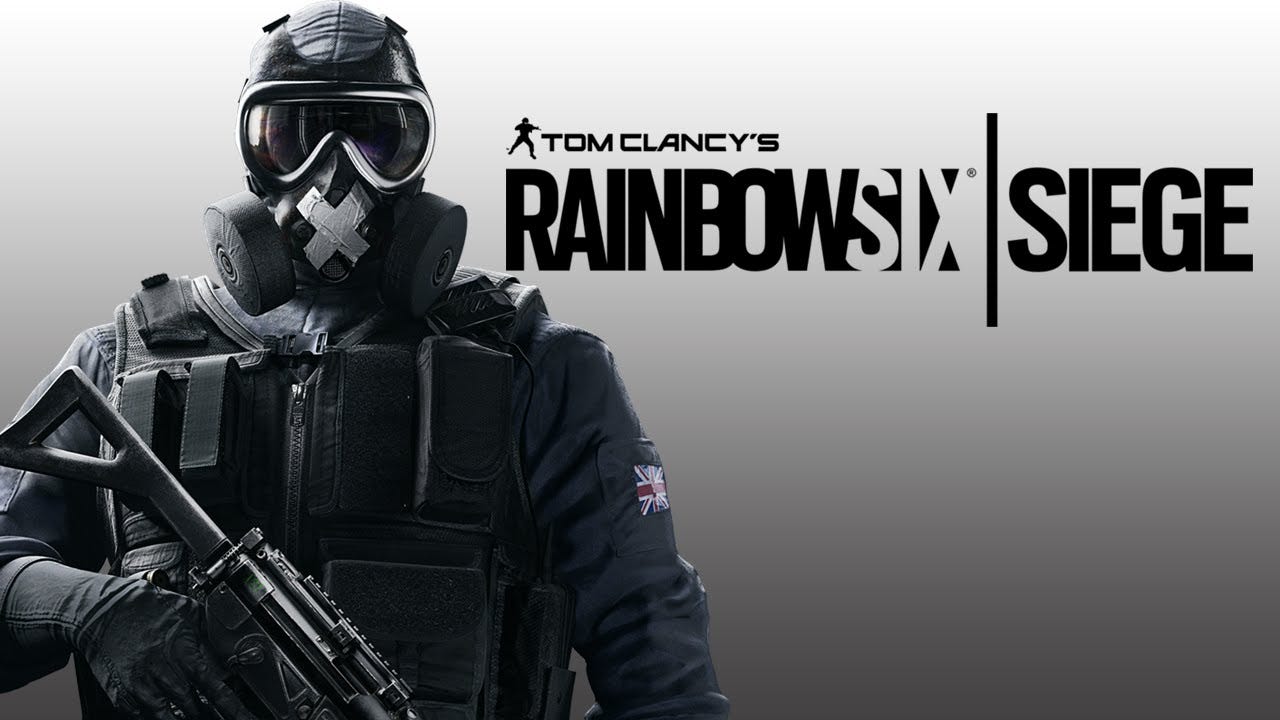
Rainbow Six Siege’s Operators make the game feel like an ensemble thriller, where different characters approach the same problem with different tools and priorities.
An Operator’s ability can influence how a team gathers information, approaches a fortified position, denies an enemy route, or responds to a threat. Choosing an Operator is therefore not merely choosing a character model or a weapon. It is choosing a particular way to interact with the battlefield.
This is especially important because the two sides do not approach an objective in the same way. Attackers must discover weaknesses and create opportunities, while defenders prepare positions and attempt to control the routes their opponents might use.
Their goals overlap, but their immediate problems are different.
That contrast gives each round its own dramatic structure. Attackers may spend precious moments trying to uncover a safe entry point, while defenders must decide which areas deserve their attention. Both sides have limited time, incomplete information, and opponents actively trying to disrupt their plans.
The suspense comes from watching these different approaches collide.
A carefully selected ability might create the opportunity a team needs. Another ability might shut that opportunity down. Neither guarantees success, because the opposing team is making decisions of its own.
The Operators provide the tools, but the story emerges from how players use them against one another.
5. Drones Turn Curiosity into a Risk
Information is one of the most valuable resources in Rainbow Six Siege. This is why reconnaissance tools, including attackers’ observation drones, can matter so much before a confrontation begins.
A drone offers a chance to investigate a space without immediately exposing the operator controlling it to direct combat. It can help reveal a defensive setup, locate potential threats, or reduce the number of unknowns surrounding an objective.
But information is never quite the same as certainty.
A scan or visual glimpse only tells part of the story. An opponent may move after being spotted. A route that looked clear may become dangerous moments later. A useful piece of information may become outdated before the team can act on it.
Reconnaissance also introduces a fascinating trade-off: the more carefully you investigate, the more time you may spend preparing instead of advancing.
The tension lies in deciding when you have learned enough.
Move too early, and you risk walking into a situation you do not understand. Keep investigating for too long, and the opportunity to act may disappear.
This turns even the preparation phase into a contest of judgment. The question is not simply whether you can find the enemy. It is whether you can turn what you discover into a meaningful decision before the situation changes.
6. Communication Is the Invisible Weapon
A team can have excellent individual aim and still struggle when its members cannot build a shared understanding of the match.
Communication helps transform scattered observations into a collective picture. One player notices movement near an entrance. Another hears activity on a different floor. Someone else identifies a possible route toward the objective. Each clue may seem incomplete on its own, but together they can help the team make a more informed decision.
The challenge is that communication must remain useful under pressure.
Too little information leaves teammates guessing. Too much irrelevant information can make an important warning harder to recognize. Unclear descriptions may send players toward the wrong location or cause them to misunderstand where a threat actually exists.
Effective teamwork is not about narrating every second of the round. It is about helping teammates understand what matters, especially when they cannot see the same things you can.
This creates one of Siege’s most distinctive emotional experiences: a team gradually developing a shared sense of danger.
Players begin to anticipate one another’s decisions. They recognize familiar patterns in how their opponents behave. They coordinate around a developing plan instead of reacting independently to every new sound or visual clue.
When that coordination works, the team feels like a single intelligence operating through several different perspectives.
When it fails, everyone may be fighting a different version of the same battle.
7. The Most Dangerous Enemy Is Sometimes a Bad Assumption
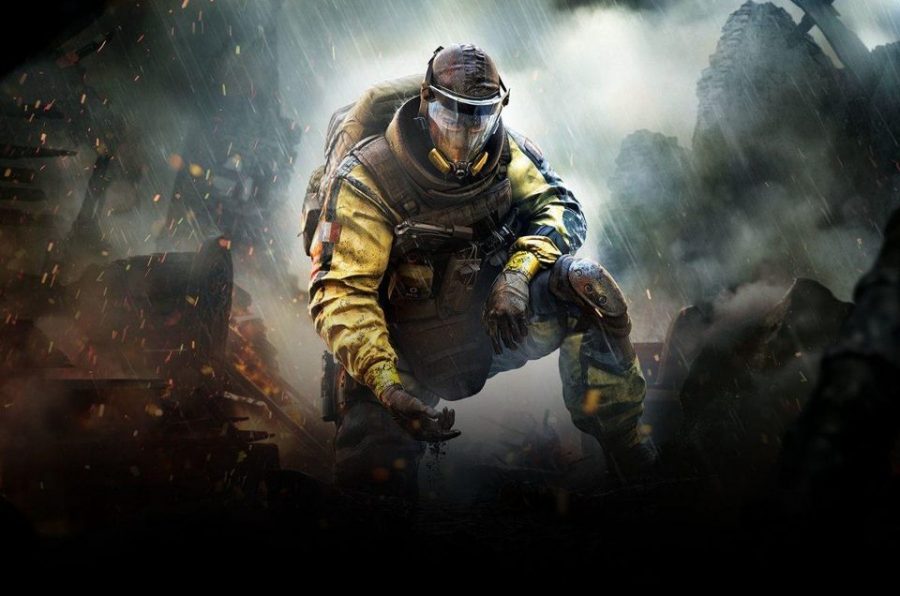
Uncertainty does not automatically make a player helpless. In fact, Siege becomes interesting precisely because players must make decisions without knowing everything.
The danger appears when a possibility becomes a certainty in someone's mind.
A player assumes that an entrance is clear because nobody has appeared there yet. A defender expects the attackers to repeat the approach they used in the previous round. A team becomes so focused on one threat that it stops considering another.
These assumptions are understandable. Human beings naturally search for patterns, particularly when time is limited and the consequences of a mistake are immediate.
But opponents can exploit predictable expectations, even without doing anything especially complicated. Changing the timing of an attack, approaching from another direction, or simply refusing to behave as expected can be enough to disrupt a confident plan.
This is where the psychological contest becomes especially compelling. Each team tries to predict not only the enemy’s location, but also the enemy’s thinking.
What do they believe we are doing? What have they already discovered? Which of our movements might they be waiting for?
There is no guarantee that the cleverest theory will prove correct. Sometimes the simplest explanation is right. Sometimes a seemingly obvious play is a trap. Siege repeatedly places players in the uncomfortable position of acting on incomplete evidence.
Confidence can be useful. Confidence without reconsideration can be expensive.
8. The Final Seconds Change the Meaning of Everything
As a round approaches its conclusion, the same building can suddenly feel much smaller.
Earlier, a hallway might have been just one of several possible routes. Now, it may be the only route that matters. A distant sound that once seemed unimportant can become the clue that determines the next move. A player who previously had time to investigate must now act with whatever information remains.
The objective gives these moments their weight. In Bomb mode, for example, attacking and defending revolve around the bomb sites and the attempt to complete or prevent the objective. Every delay, successful breach, lost teammate, or disrupted defensive position can change what is realistically possible.
The emotional effect comes from compression. Time is running out, options are disappearing, and every decision becomes more consequential.
This is also why a round can remain memorable even when the final action lasts only a few seconds. The climax is not just the shot that ends the fight. It is the sequence of clues, mistakes, sacrifices, and decisions that made that shot possible.
A last-second victory feels earned because the match has spent the entire round building toward it. A narrow defeat can be just as memorable because players can trace the ending back to the moment everything started to go wrong.
9. Every Match Writes a Different Thriller
Rainbow Six Siege has repeatable objectives, familiar maps, and recognizable Operators, but the interactions between players prevent each match from following a fixed script.
One round may become a story about patient reconnaissance. Another may revolve around an unexpected breach. A third may be remembered for a desperate defensive hold or a teammate making a crucial observation at exactly the right moment.
The same location can produce entirely different experiences because the opposing players bring different expectations and decisions into it.
This is also why some of the most entertaining Siege stories happen after a match. Players remember the sound they misinterpreted, the route nobody expected, the plan that collapsed, or the seemingly impossible moment when a teammate rescued the round.
These stories are not always about flawless execution. Often, they are about how quickly a situation changed and how people reacted when their original plan stopped making sense.
A great round does not need to be perfect. It needs a turning point.
That is the storytelling power of competitive multiplayer: the game supplies the setting, rules, and tools, but the players create the drama.
10. Why Rainbow Six Siege Still Feels Different
At its heart, Rainbow Six Siege is not simply about eliminating the opposing team. It is about managing uncertainty while working toward a shared objective.
Its destructible environments make the battlefield responsive. Its Operators introduce different tactical possibilities. Its reconnaissance tools turn information into something teams must actively pursue, while its attack-versus-defense structure creates opposing goals that constantly collide.
These systems make attention itself feel important.
Players must interpret sounds, understand spaces, communicate under pressure, and reconsider their assumptions as new information arrives. Success often belongs to the team that understands the situation better—or recognizes sooner that its understanding was wrong.
This is what gives Siege its distinctive identity. Its most memorable moments are not always the loudest or fastest. Sometimes they begin with a faint sound, an unexplained absence, or a wall that no longer offers protection.
The match becomes a battle between what is known, what is suspected, and what the enemy wants you to believe.
Conclusion: In Siege, Knowledge Is Never Complete
Tom Clancy’s Rainbow Six Siege turns ordinary spaces into arenas of tension by making information, architecture, and teamwork inseparable from combat.
A wall can hide an opponent or expose one. A sound can suggest a threat without revealing its source. A teammate's observation can transform a bad situation into a winning opportunity. And a confident plan can fall apart when the enemy refuses to follow the expected script.
That is the real appeal of Siege as a psychological thriller. Players are not simply reacting to what happens on screen. They are constantly constructing a theory of what is happening—and then testing that theory against an opponent doing exactly the same thing.
The house never literally knows who will win. But by the time a round ends, every room has helped tell the story.