.webp) h5prism.com
h5prism.comMastering Team Play and Fast Decisions in REMATCH
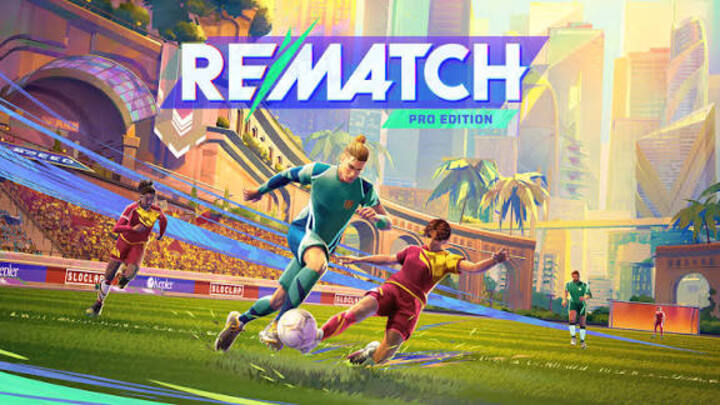
Mastering Team Play and Fast Decisions in REMATCH
REMATCH brings a fresh perspective to football by placing players directly in the action through an immersive third-person camera. Instead of controlling an entire team, you control one player and must rely on your positioning, reactions, and coordination with teammates to win. Every pass, tackle, dribble, and shot can change the momentum of a match.
Although the controls are accessible, mastering REMATCH takes practice. The game rewards players who understand space, make quick decisions, and cooperate rather than trying to score alone. Learning how to manage possession, defend effectively, and recognize scoring opportunities is essential for anyone who wants to improve their performance on the pitch.
1. Understand the Third-Person Football System
One of the biggest challenges in REMATCH is adapting to its third-person perspective. Unlike traditional football games, where players usually view the pitch from above, REMATCH places the camera behind your character. This creates a more immersive experience but also changes how you judge distance, passing angles, and shooting opportunities.
Spend time learning how your character moves with and without the ball. Turning, sprinting, and changing direction can affect your ability to respond to opponents. Rather than relying entirely on instinct, pay attention to your surroundings and anticipate what might happen next. Understanding the camera and movement system gives you a stronger foundation for every other skill.
2. Make Passing Your First Priority
Passing is one of the most effective ways to create opportunities in REMATCH. When you hold the ball for too long, defenders have more time to close the distance and challenge your possession. A quick, well-aimed pass can move the ball away from pressure and give your team a better attacking angle.
However, passing successfully requires more than pressing a button. You need to identify an available teammate and aim accurately toward their position. Avoid passing blindly into crowded areas, especially when an opponent is already preparing to intercept the ball.
Develop the habit of looking around before receiving possession. Knowing where your teammates are positioned allows you to make faster decisions and reduces the time defenders have to react. Even a simple pass can become the beginning of a dangerous attack when the entire team moves together.
3. Dribble With a Clear Purpose
Dribbling gives you the opportunity to escape pressure, change direction, and create space for a shot or pass. REMATCH allows players to perform skillful movements, but attempting to beat every defender individually is rarely the most reliable strategy.
The best time to dribble is when you can identify a genuine opening. If a defender approaches from one direction, changing your movement at the right moment may help you get past them. If multiple opponents are closing in, passing to an unmarked teammate is often the safer choice.
Avoid sprinting continuously without considering your position. Excessive movement can make it harder to control the ball precisely or react to unexpected challenges. Instead, combine controlled movement with sudden changes of direction and use skill moves selectively. Effective dribbling is not about performing the most tricks; it is about creating an advantage for your team.
4. Improve Your Shooting Accuracy
Scoring goals is one of the most exciting parts of REMATCH, but powerful shots do not always produce the best results. Shooting requires accurate aiming, appropriate timing, and an understanding of the goalkeeper's position.
Before taking a shot, consider the angle between your character and the goal. A clear shooting lane can be more valuable than simply moving closer to the goal. If a defender blocks your path, reposition yourself or pass to a teammate who has a better opportunity.
Practice aiming from different distances and directions. Pay attention to how your movement and ball position affect the outcome of each attempt. As your accuracy improves, you will become better at recognizing which opportunities are worth taking and which situations call for another pass.
A well-timed shot can turn a coordinated attack into a goal, while a rushed attempt may give the opposing team an opportunity to regain possession.
5. Learn When to Defend and Tackle
Strong defense is just as important as attacking. In REMATCH, players can use standing tackles and sliding tackles to challenge opponents who have possession. Choosing the right action at the right moment can determine whether your team stops an attack or leaves space for an easy scoring opportunity.
Standing tackles are useful when you can approach the ball under control. Sliding tackles can help in more urgent situations, but committing at the wrong time may leave you out of position. Observe the opponent's movement before deciding whether to challenge immediately or maintain your defensive position.
Avoid chasing the ball without considering the space behind you. If several teammates crowd the same opponent, other attackers may find open lanes toward the goal. Instead, coordinate your movements and make it difficult for the opposition to find a safe pass.
Good defense depends on patience, positioning, and timing—not simply tackling as often as possible.
6. Use Positioning to Support Your Teammates
REMATCH does not rely on fixed player positions in the traditional sense. Players can move between attacking and defensive responsibilities as the match develops. This freedom creates exciting opportunities, but it also makes positioning especially important.
When your team has possession, look for open spaces where a teammate can pass the ball to you. Moving away from crowded areas gives the ball carrier more options and can stretch the opposing defense. When possession changes, quickly assess whether you need to challenge the ball, cover an opponent, or protect the space near your goal.
The goalkeeper role also depends on positioning. Entering your team's goalkeeper box makes you the goalkeeper, while leaving it allows a teammate to take over if they enter the box. Be aware of this mechanic and communicate with your team when possible to avoid confusion during defensive situations.
7. Read the Match Before Making a Decision
Fast reactions are important, but successful players also learn to anticipate what will happen next. Watching only the ball can cause you to miss important movements elsewhere on the pitch.
Use the available camera view and radar to understand where teammates and opponents are positioned. Before receiving the ball, identify a potential passing option or an open route toward the goal. When defending, look for opponents who may receive a pass rather than focusing exclusively on the player currently in possession.
Developing this awareness helps you make decisions before pressure arrives. Instead of reacting after an opponent has already closed in, you can move into space, intercept a pass, or prepare a counterattack.
Over time, reading the match becomes just as valuable as mastering individual controls.
8. Avoid Common Mistakes That Cost Matches
Several habits can make REMATCH more difficult than it needs to be. One common mistake is attempting to dribble through several defenders instead of passing to an available teammate. Another is shooting from poor angles simply because a brief opportunity appears.
Defensively, chasing the ball too aggressively can leave your team exposed. Players may also forget to reposition after losing possession, allowing opponents to exploit gaps in the formation. These mistakes often happen because players focus on immediate action instead of the wider situation.
To improve, review your decisions after each match. Consider whether a pass would have been safer, whether you committed to a tackle too early, or whether better positioning could have prevented a goal. Small adjustments can produce noticeable improvements over time.
9. Build a Consistent Practice Routine
Regular practice is the most reliable way to develop your skills. REMATCH offers practice and free-play options that allow you to become familiar with the controls without the pressure of a competitive match.
Start by focusing on one skill at a time. Practice accurate passing, experiment with shooting angles, and learn how different movements affect ball control. Once these actions feel more natural, combine them in realistic attacking and defensive situations.
During online matches, set achievable goals beyond simply winning. You might focus on making better passes, avoiding unnecessary tackles, or maintaining useful positioning throughout the game. These objectives encourage steady improvement and help you understand your contribution to the team.
Conclusion
Mastering REMATCH requires more than scoring spectacular goals. Players must combine accurate controls, intelligent positioning, disciplined defending, and effective teamwork to perform consistently. Every decision matters because possession can change quickly, and one mistake can create an opportunity for the opposition.
By practicing the fundamentals, learning to recognize open space, and making decisions before pressure builds, you can become a more reliable teammate and a more dangerous opponent. Whether you are learning the game for the first time or competing in higher-level matches, patience and consistent practice will help you get more out of every match in REMATCH.
Summary: Master REMATCH with smarter passing, accurate shooting, effective tackles, better positioning, and team-focused tactics to improve your performance in every match.